How Orientation Programs Help New Students Succeed from Day One at MCSGOC
Sure, starting college is very exciting for a young adult. It is one of the most exciting chapters of their life. But a new campus, unfamiliar faces, and different academic expectations can be a little too much to take all at once.
This is exactly why college orientation programs are important. Orientation programs help students settle into college life by easing anxiety, building confidence, and giving freshers a good head start before classes even begin.
Let’s explore why orientation programs matter so much and learn about some practical tips so students can make the most of their new beginning.
What Are College Orientation Programs?
A student orientation programme is a mandatory induction process that colleges organize before or at the start of every academic year. Its purpose is to introduce new students to campus, faculty, academic structure, and rules. It is also a chance for students to meet and get to know each other.
Think of it as a warm welcome with lots of energy, interactive sessions, icebreakers, campus tours, and informative workshops for students.
Why Orientation Programs Matter So Much?
The transition from school to college is an overwhelming process. But with the right guidance, students can feel more relaxed.
Here's why orientation programs play such a crucial role:
1. They Reduce First-Day Jitters
Everyone gets a little nervous on their first day. Meeting new people can give students the jitters. A good orientation program for students helps break the ice early.
Fun group activities and friendly interactions with seniors and faculty can help new students ease up. It can help replace anxiety with enthusiasm and excitement.
2. They Build Instant Connections
An orientation allows students to make friends with other new students before the academic session starts. These early friendships can often turn into long-term support throughout college.
3. They Clarify Academic Expectations
A good student orientation programme gives students a clear introduction to the curriculum, grading systems, attendance policies, and academic resources available on the campus. This clarity makes it easier for them to plan out their strategies and focus on their course.
4. They Introduce Campus Resources
From libraries and labs to counseling centers and career services, orientation sessions let students know exactly what's available to them on the campus. They can also learn about how to access them when they need support, so they are not confused when the session starts.
5. They Encourage Involvement in Campus Life
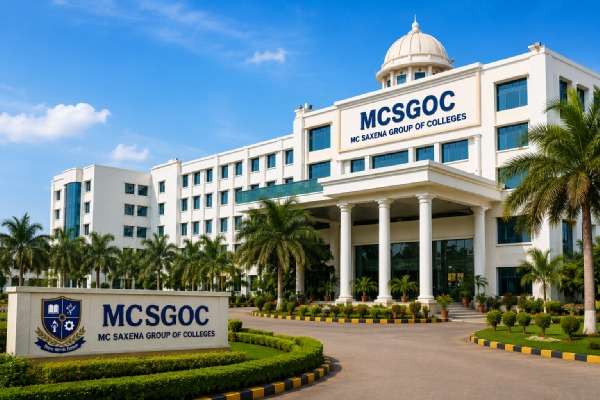
MC Saxena Group of Colleges has proved itself to be an institution where the beginning plays a very important role. With a variety of educational approaches, we pay much attention to making sure that the first steps of our students are successful.
We introduce students to clubs, sports teams, cultural societies, and student unions to encourage active participation from early on. This involvement is what makes college life truly memorable.
6. They Boost Confidence and Independence
Shifting routines from school life to college needs a change in mindset. College orientation programs can give students the comfort and the buffer period to embrace independence gradually. They let students know about all the essential skills like time management, self-advocacy, and personal responsibility.
Orientations don't just focus on preparing students for the new beginning academically; they also prepare them emotionally and socially.
What a Great Orientation Program for Students Typically Includes?
Although every institution has different ways to conduct an orientation program. These effective activities are generally included in every good orientation:
- Welcome sessions from the leadership and faculty introductions.
- Campus tour including academic blocks, hostels, libraries, and important places.
- Community activities for freshers to ensure bonding amongst students.
- Briefing regarding the courses and the assessment criteria.
- Time management workshop, effective communication skills training, and career guidance.
- Cultural and social programs to demonstrate the vibrancy of the campus.
- Q&A sessions with the seniors having real-world experience.
- Clubs and societies information.
These elements make the student orientation programme something far more than just an introduction. It can be the first exciting day of a student’s new chapter.
College Orientation Tips for Students
While colleges do their part in organizing helpful orientation programs, students can also make the most of these sessions with the right mindset.
Here are some important college orientation tips for students to follow before their session starts:
- Attend Every Session: Attend even the ones that seem optional. You never know which one might introduce you to a future best friend or teacher.
- Ask Questions Freely: Orientation is the perfect, judgment-free space to clarify doubts about academics, hostel life, or campus facilities.
- Say Yes to Social Activities: Step out of your comfort zone and attend group discussions, games, and mixers. After all, that is how real connections begin.
- Take Notes: Important details about deadlines, portals, and contacts are shared quickly, so be sure to take notes somewhere safe.
- Connect With Seniors and Mentors: They can give you a lot of help and advice during the first few days of your orientation.
- Keep an Enthusiastic Mindset: Come to the orientation with excitement and curiosity, not with nervousness, because it’ll set the tone for the rest of your college experience.
Following these simple tips can make a lot of difference. A little preparation and the right attitude can turn a stressful formality into an enjoyable and memorable start.
Read More : College Admission Counselling Tips in India
MCSGOC: Leading the Way in Student Orientation
In terms of educational institutions that focus on a good beginning, MC Saxena Group of Colleges is an outstanding example. Our diverse approach to learning and teaching focuses greatly on ensuring that each new student is welcomed, valued, and prepared for everything from the very beginning.
All college orientation programs should be well planned to put students at ease as they embark on a new era. They should have campus tours, interactive sessions with faculty and mentors, academic briefings, and lively cultural activities to build that sense of community.
New students at MC Saxena Group of Colleges don't just learn about their courses; we make sure that they feel part of a larger and supportive campus family. MC Saxena Group of Colleges continues to be a preferred choice for students seeking not just quality education, but an honest and memorable college experience.
Wrap Up
College orientation programs are much more than just introductions and formalities. They serve as the starting points for both academic success and friendships. They transform anxious newcomers into engaged, knowledgeable, and involved members of the campus community.
And if you're looking for an institution that offers this experience, MC Saxena Group of Colleges is just the right place to start.
FAQs
Q1. What is the purpose of college orientation programs?
A: The primary purpose of college orientation programs is to help new students adjust from school to college by familiarising them with the campus, academics, faculty, and fellow students, and to reduce first-day jitters.
Q2. How long do orientation programs usually last?
A: The length of an orientation varies with the institution and the activities planned, but most programs run from one to three days.
Q3. Is attending an orientation program for students mandatory?
A: While rules may vary for different institutions, most colleges strongly encourage participation even if it's not compulsory. Many colleges require mandatory attendance at an orientation program.
Q4. What should students expect from a student orientation programme?
A: Typical student orientation programs include campus tours, welcome sessions, academic briefings, group activities, and introductions to clubs, resources, and student support services.